Orchard Therapeutic Farm - Alternative Provision
The Importance of Work Experience in SEND Alternative Provision
How meaningful, real-world experience can build confidence, independence and future pathways.
At Orchard Therapeutic Farm, we see every day how powerful work experience can be for young people with SEND. When learning feels connected to real life, it often becomes more meaningful, more engaging and more empowering.
For many young people, learning becomes more powerful when it feels connected to everyday life. Work experience helps create that connection. It brings learning into real environments, gives purpose to the skills students are developing and helps them begin to see themselves as capable, valued and able to contribute.
This is especially important within secondary and Post-16 education, where young people are beginning to think more seriously about independence, adulthood and what comes next.
National guidance around SEND and preparing for adulthood places increasing emphasis on helping young people build the skills, confidence and experiences they need for life beyond education. That includes progression into further study, training, employment, community participation and greater independence. Workplace experience forms an important part of that picture, particularly as young people move through secondary and Post-16 education.
Careers guidance frameworks such as the Gatsby Benchmarks also highlight the value of first-hand experiences of workplaces, helping young people understand the world of work and explore what future opportunities may suit them. Within the SEND sector, these experiences are especially important because they help bridge a gap that many young people can otherwise find difficult to access.
At Orchard Therapeutic, we see these benefits in very real ways. When a young person is trusted with a task, supported to develop a routine and given the chance to contribute to something meaningful, confidence often begins to grow.
Building confidence through real experience
One of the most valuable things about work experience is the way it allows young people to experience responsibility in a supported and encouraging environment.
Completing a task, following a routine, helping others, contributing to a working space and seeing the result of their effort can all have a huge impact on confidence. These moments may seem simple, but they often become important building blocks in a young person’s sense of self-belief.
As young people move into Post-16 education, work experience becomes even more significant because it helps bridge the space between education and adulthood.
At this stage, learners are often beginning to think more seriously about what comes next. They may be exploring future study, vocational routes, supported internships, apprenticeships, employment or independent living. Work experience helps make those next steps feel more visible and more achievable.
This is reflected across many national Post-16 and SEND pathways, where work-based learning is increasingly recognised as an important part of helping young people prepare for adult life.
What this looks like at Orchard Therapeutic
At Orchard Therapeutic, work experience is woven into the wider learning journey in ways that feel practical, purposeful and connected to real life. We know that young people thrive in different environments and bring different strengths, which is why work experience opportunities are varied and designed to reflect a range of interests, skills and future pathways.
The Kitchen at Hitchcox
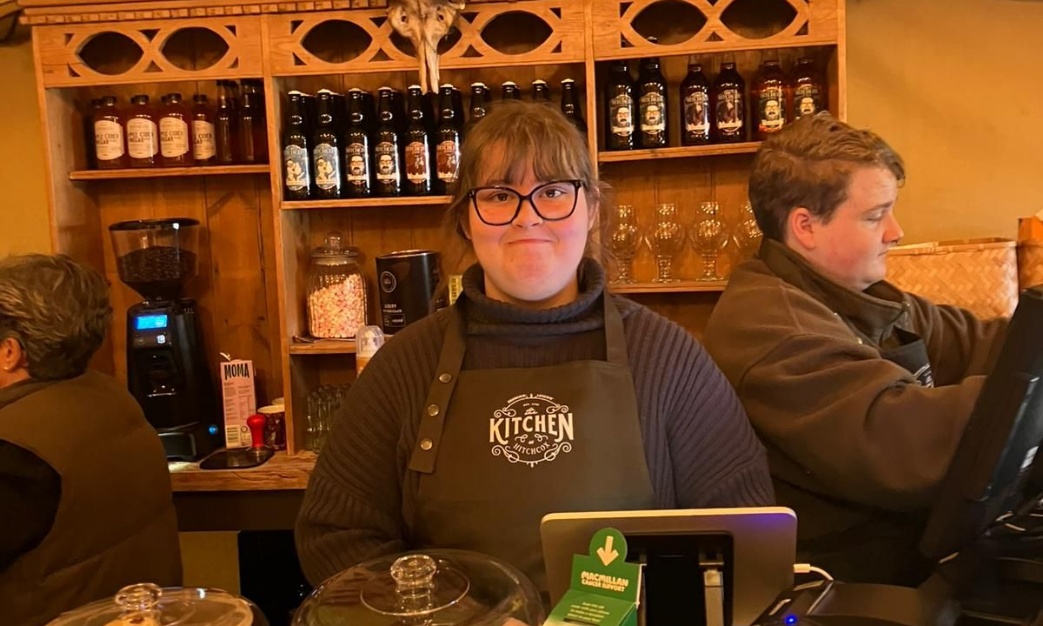
One of the clearest examples of this is The Kitchen at Hitchcox, Orchard Therapeutic Farm’s working coffee shop and event space. Here, young people are given meaningful responsibility within a live environment, where they are trusted to take part in real tasks that contribute to the running of the space.
Depending on their stage, confidence and support needs, learners may be involved in preparing food, serving customers, taking orders, helping with presentation, clearing and resetting tables, maintaining hygiene standards and working as part of a team to keep things running smoothly.
This helps young people develop practical hospitality and catering skills, while also strengthening communication, teamwork, time management, organisation, confidence and professional awareness. It also gives them the experience of being relied upon within a real working environment, which can have a powerful impact on confidence and self-belief.
Office Administration
For young people who are interested in more structured or behind-the-scenes roles, office-based work experience can offer equally valuable opportunities. Supporting with administration helps learners build skills in organisation, communication, digital literacy and professional routine.
Tasks may include filing, sorting information, supporting with basic IT tasks, preparing materials, helping organise spaces or contributing to day-to-day office systems. These experiences help young people develop attention to detail, consistency, time management and confidence in workplace expectations, while also showing them that administrative and support roles are essential parts of how organisations function.
Marketing and Creative Support
Some young people are especially drawn to creative and communication-led tasks, and marketing-based work experience can provide a brilliant outlet for those strengths. At Orchard Therapeutic, this may include helping with product presentation, packaging, photography, social content ideas, promotional materials or the visual side of enterprise activity.
This kind of work can help learners build confidence in expressing ideas, thinking creatively, problem-solving and understanding how organisations communicate with the outside world. It can also introduce them to creative and digital pathways they may not have considered before.
Animal Care and Farm Responsibilities
Animal care offers a particularly valuable form of work experience for many young people, especially those who feel most settled in calm, practical environments. Caring for animals requires routine, patience, observation, responsibility and consistency, all of which are important employability and life skills.
Learners may support feeding, cleaning, preparing spaces, monitoring wellbeing and taking part in the day-to-day responsibilities that come with caring for living animals. These experiences can help build confidence, trust, emotional regulation and a strong sense of purpose, while also introducing possible future pathways within animal care and land-based settings.
Trades and Engineering
For young people who enjoy practical problem-solving and hands-on learning, work experience within trades and engineering can be especially powerful. These opportunities allow learners to engage in meaningful tasks involving tools, materials, construction, repair, maintenance and making.
This kind of experience supports the development of practical vocational skills, alongside resilience, patience, precision, teamwork and pride in a finished outcome. It also helps young people begin to understand how their strengths might translate into future trades-based, mechanical or engineering pathways.
Building confidence through variety and choice
One of the most important things about Orchard Therapeutic’s work experience offer is that it gives young people the chance to discover where they feel most confident, capable and engaged.
For some, that might be in a customer-facing environment. For others, it may be through practical making, animal care, organisation or creative communication. What matters is that each experience gives young people the opportunity to contribute, build skills and begin seeing themselves as capable of meaningful adult roles.
At Orchard Therapeutic Farm, that is a vital part of preparing for the future.